The King Abdullah Specialist Center for Ear organized events for the 17th annual meeting of cochlear implant patients and their families, with the participation of an elite group of ear, nose and throat specialists, skull bottom surgeons, speech and language specialist.
This came on the occasion of the International Day for Cochlear Implant, which falls on February 25 every year.
The events hosted by King Abdulaziz University Hospital in Riyadh, were organized under the patronage of the Director of King Saud University, Dr. Badran bin Abdul Rahman Al-Omar, who attended the events on his behalf by Dr. Abdul Rahman Al-Muammar, the Executive Director General of the Medical City at King Saud University.
The head of the King Abdullah Specialist Center for Ear, Dr. Abd al-Rahman Hajar said: The 17th annual meeting of cochlear implant patients, and their families for this year, witnessed the participation of an elite group of specialists in otolaryngology, skull bottom surgeons, speech and language specialists, audiologists, and representatives from the Ministry of Education , With cochlear implants and their families.
Hajar explained that the meeting witnessed many activities that contribute to answering the inquiries of cochlear growers, answering those interested in this regard, and other therapeutic solutions for cases of hearing loss.
He stressed that these meetings would enhance the role of the patient and his family in the rehabilitation process after transplantation, and how to achieve optimal results on scientific grounds.
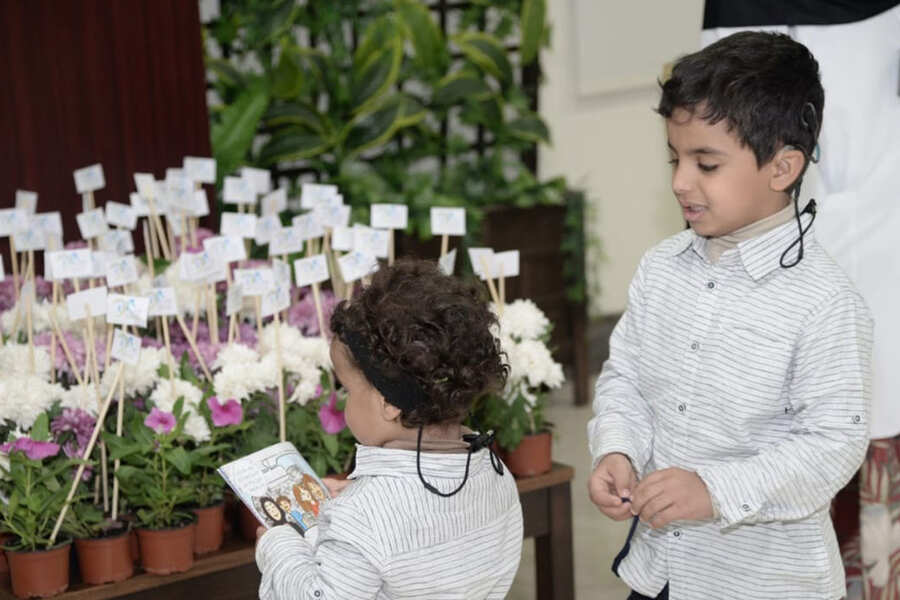
Hajar stated that the meeting included educational and educational lectures on technical support for devices by shell manufacturers, in addition to the presence of activities for children that contribute to their support on a psychological level by seeing successful experiences of other children who have been cochlear cultivated and are now living a normal life.
It is noteworthy that cochlear implant devices are witnessing a continuous development in their manufacturing processes using modern technologies that are easy for farmers to deal with, such as controlling the electronic cochlear device remotely, through an application that can be installed from the internet, in addition to communicating with the Bluetooth headset.